Stuff
Fieldwork
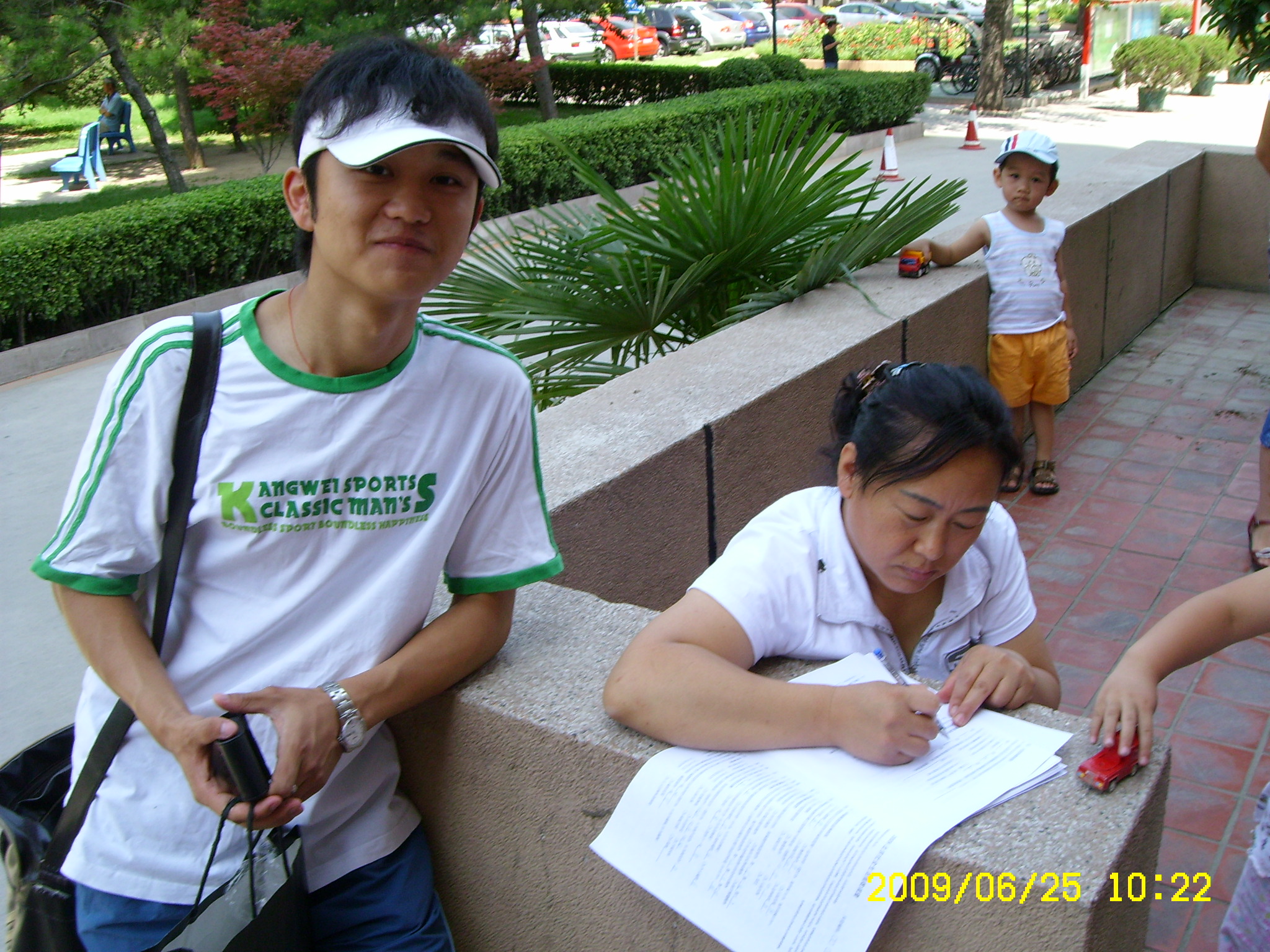
My fate of doing survey research started more than a decade ago, when I was a young college student who knew nothing about stated preference but was working as an enumerator handing out paper surveys.
On the trail
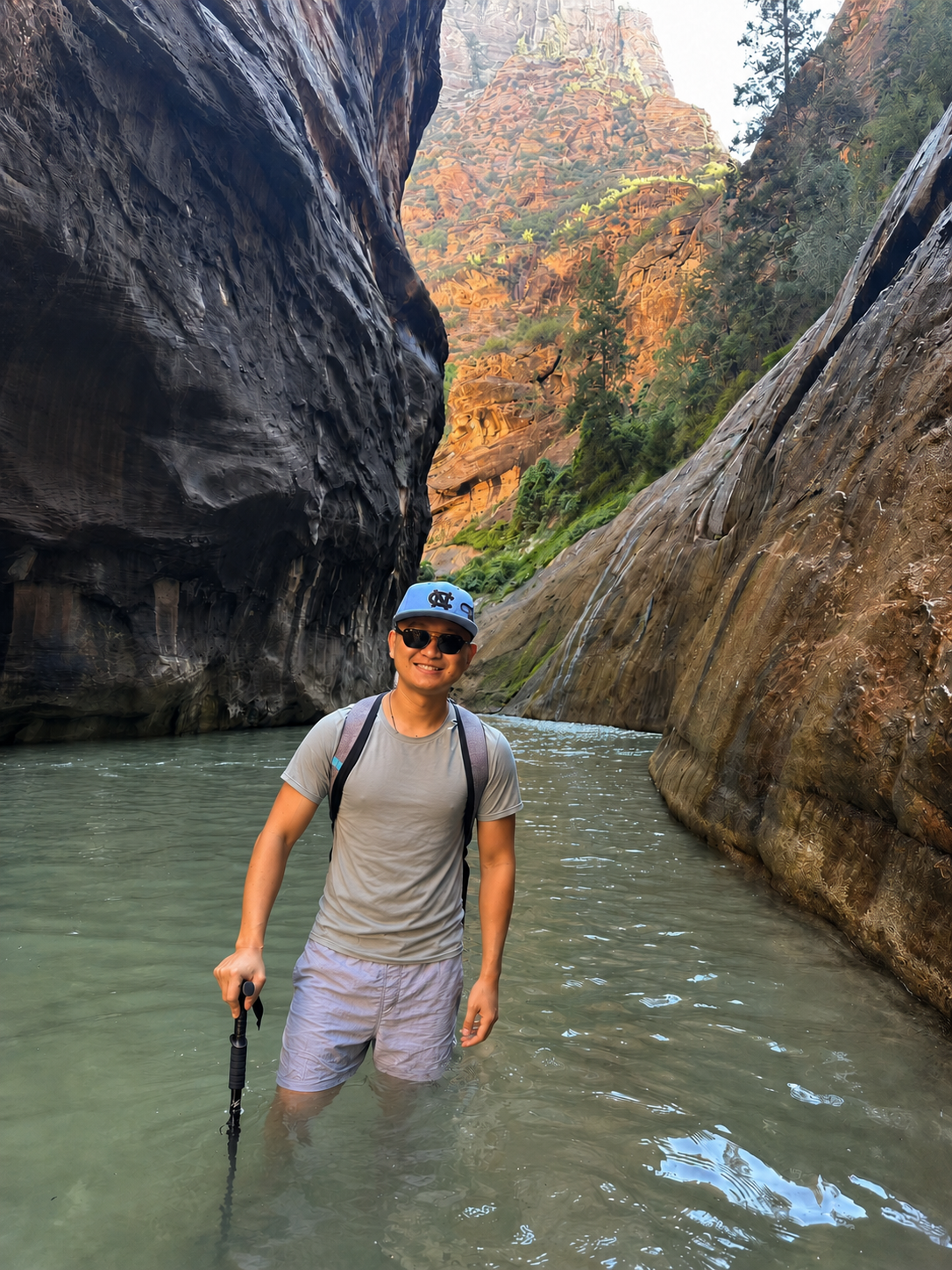
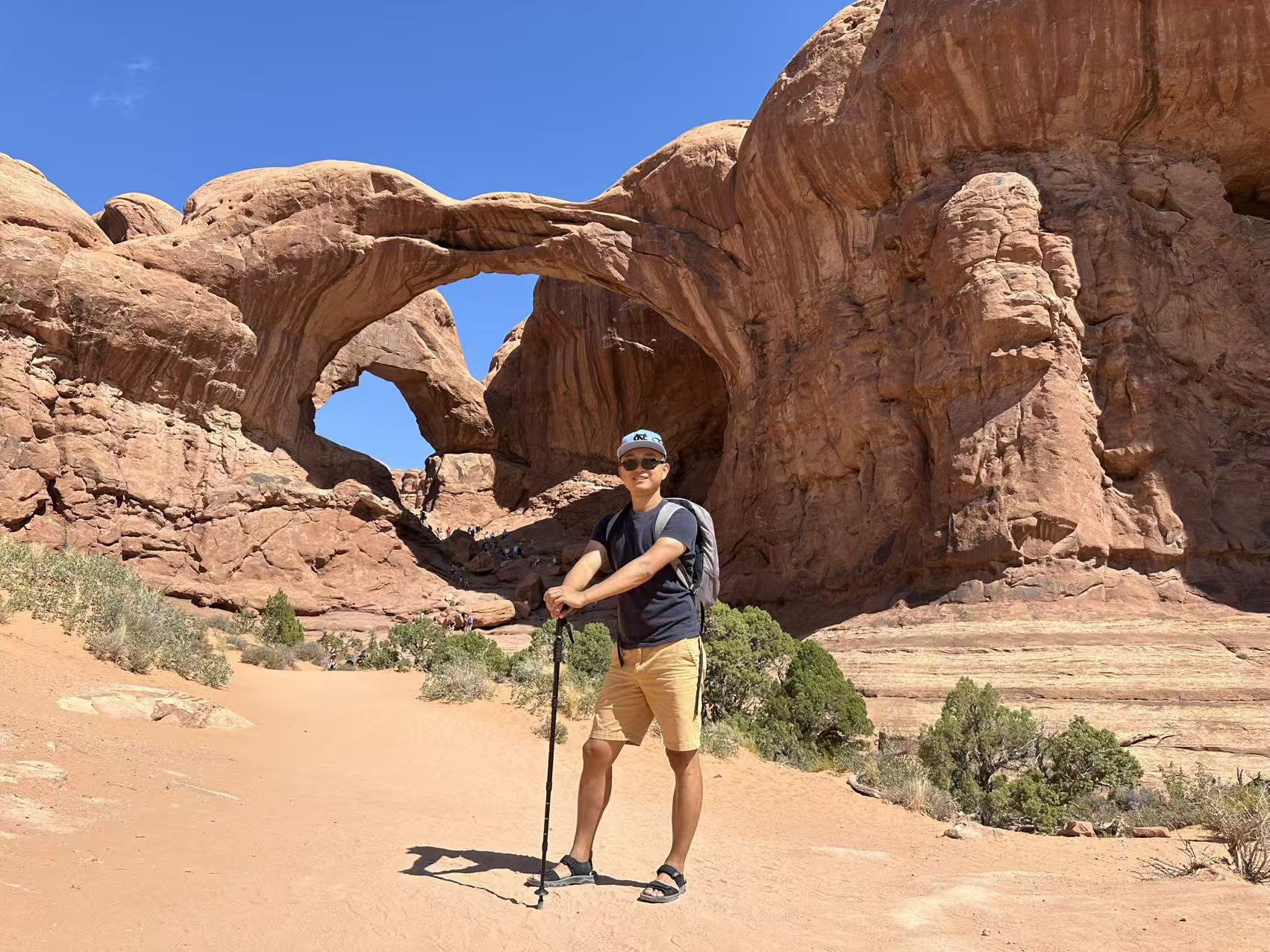
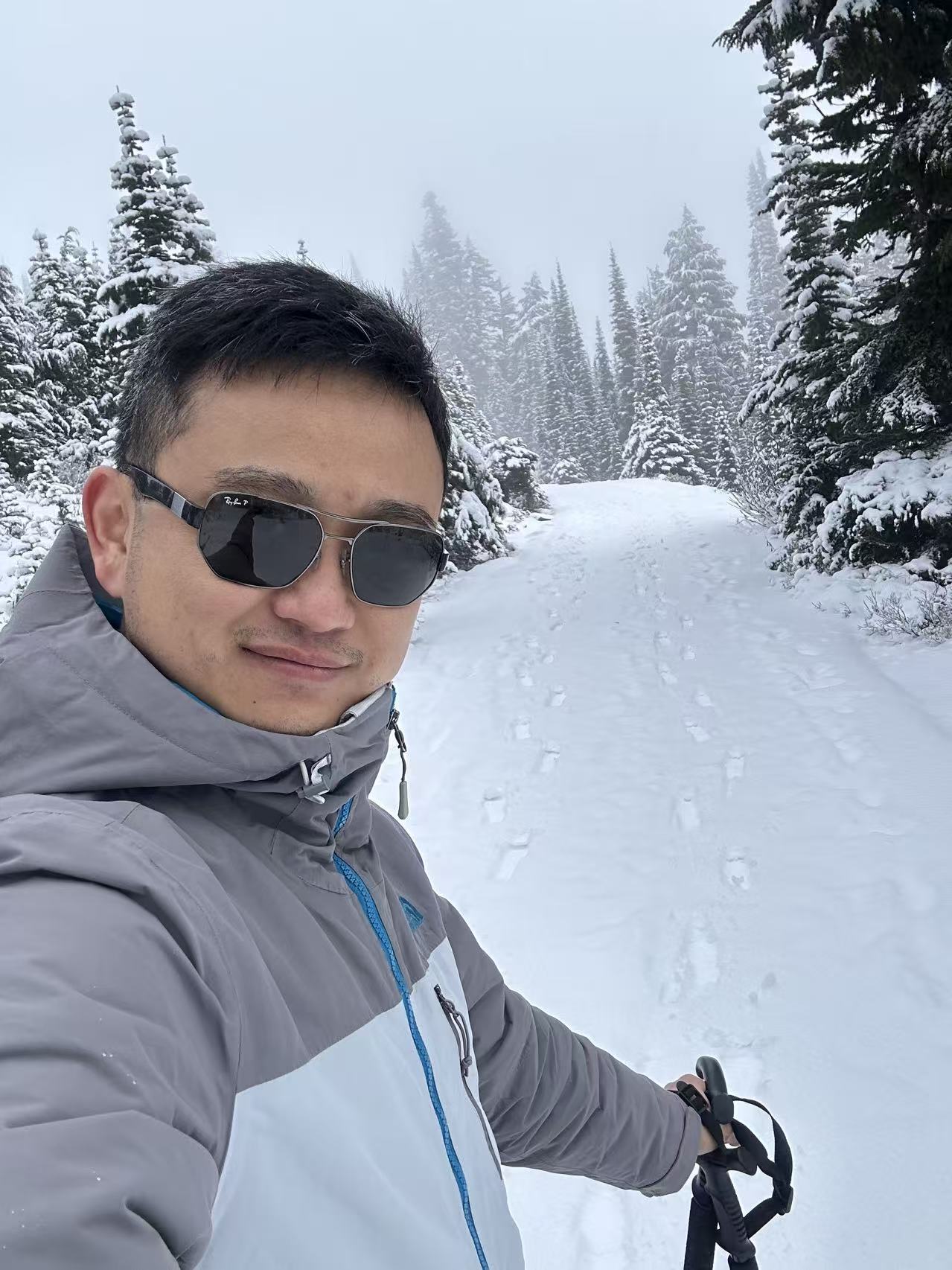
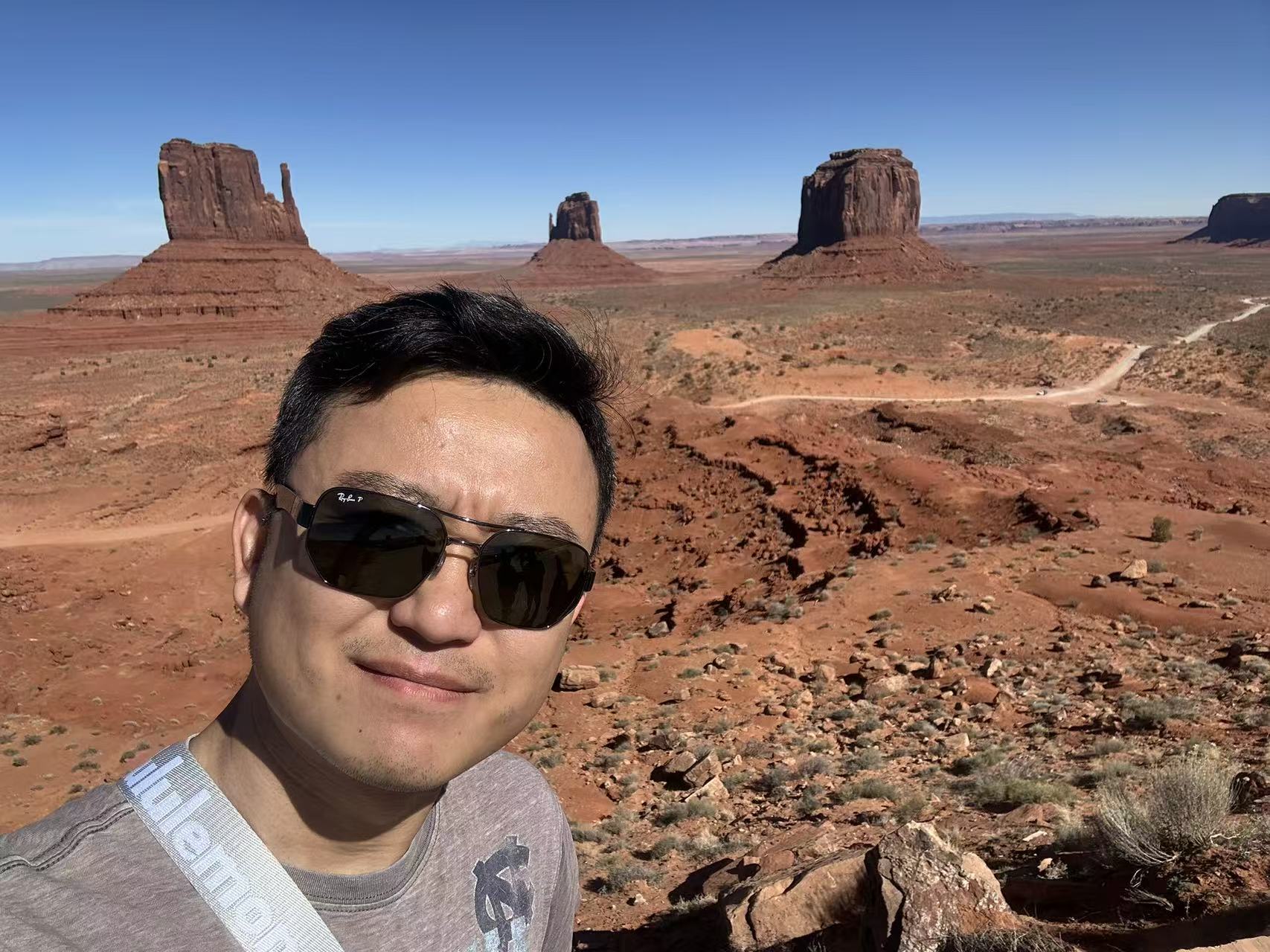
I estimate hypothetical values in my research, but I discover my own recreational value by leaving real footprints on the trail.
Anqing
I was born in Anqing, a river city on the Yangtze, and spent seventeen years in Beijing before moving to the United States in 2011. That first leg turns out to be a well-worn route. In 1790 four opera troupes drawn largely from the Anqing region traveled to Beijing for the Qianlong Emperor's eightieth birthday, stayed on, and over the following decades their style became what the world now calls Peking opera. I made the same move about two hundred years late.
Anqing stayed with me. I still speak both Mandarins fluently, the Jianghuai of home and the Beijing of the city I grew up in, which is rarer in my generation than it sounds — most families who moved switched to Putonghua and never switched back. Keeping the first one is why Huangmei opera still lands for me. It began as songs women sang while picking tea in the hills outside the city and became one of China's five major operas: lighter than the Peking style, closer to folk song, sung in something near the way my family talks. If Chinese opera means painted faces and crashing gongs to you, Huangmei is the gentler way in.